
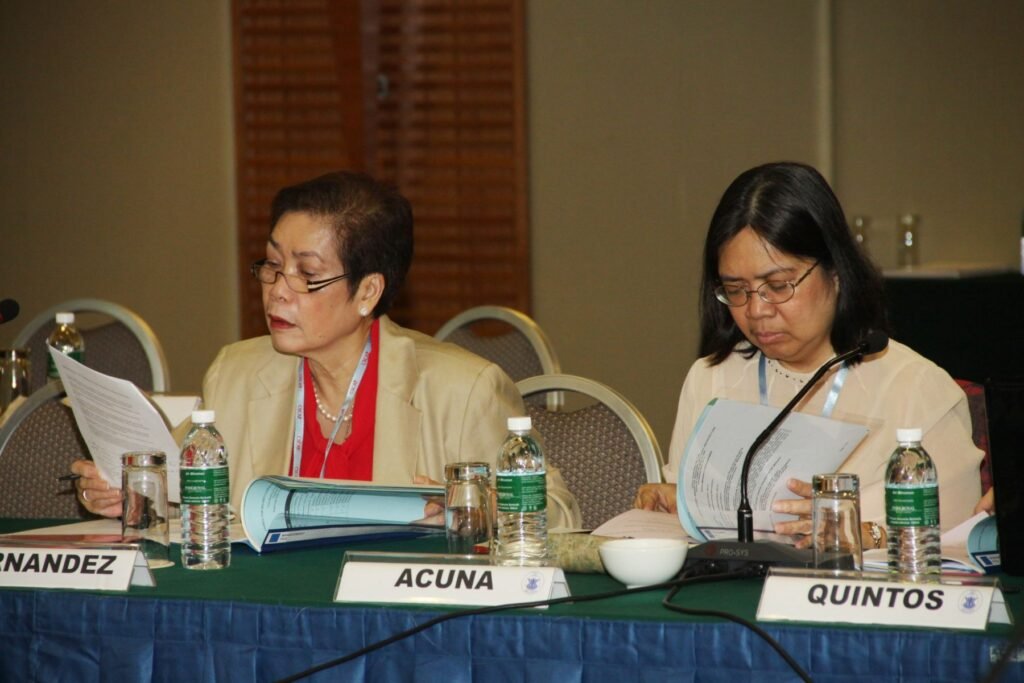
As one of CSCAP’s founding Member Committees, CSCAP Philippines provides a platform for Philippine participation in regional track II discussions on international security, including regional maritime governance, the evolution and development of international law, economic security issues, nonproliferation of weapons of mass destruction, military balance and modernization, and emerging challenges to regional stability.
CSCAP Philippines is jointly chaired by the National Security Council (NSC) of the Philippines and the WPS Foundation. The WPS Foundation also serves as the Committee’s Secretariat, coordinating its activities and engagement with the wider CSCAP network.
The Committee draws on the expertise of Philippine research institutions, government-affiliated policy organizations, universities, and independent policy analysts. It contributes to CSCAP’s regional programs through Steering Committee meetings, study groups, policy consultations, and other track II initiatives.
Under the current leadership arrangement, CSCAP Philippines seeks to strengthen the country’s contribution to regional security dialogue while encouraging greater participation by the Philippine academic and policy communities.
Brief History
The Philippines was among the ten founding members of CSCAP, established in Kuala Lumpur, Malaysia, on June 8, 1993. The country’s founding institution was the Institute for Strategic and Development Studies (ISDS).
CSCAP was created in the aftermath of the Cold War to provide an informal, non-governmental mechanism for discussing regional security issues. Its establishment preceded the creation of the ASEAN Regional Forum (ARF) in 1994 and contributed to the development of Track II diplomacy as an important component of the Asia-Pacific security architecture.
Over the following decades, CSCAP Philippines participated in regional discussions on traditional and nontraditional security challenges. Its institutional arrangements have evolved, culminating in the current joint chairship of the National Security Council and the WPS Foundation.
In 2026, CSCAP Philippines will host the CSCAP General Conference on December 1–3 at the Grand Hyatt Manila.
About the WPS Foundation
The WPS Foundation is an independent, nonprofit, nonpartisan, and nongovernmental organization based in Manila, Philippines. It promotes fair and equitable maritime governance in Southeast Asia, inclusive and open regional security architecture, and a rules-based international order through policy research, strategic dialogues, and public engagements.
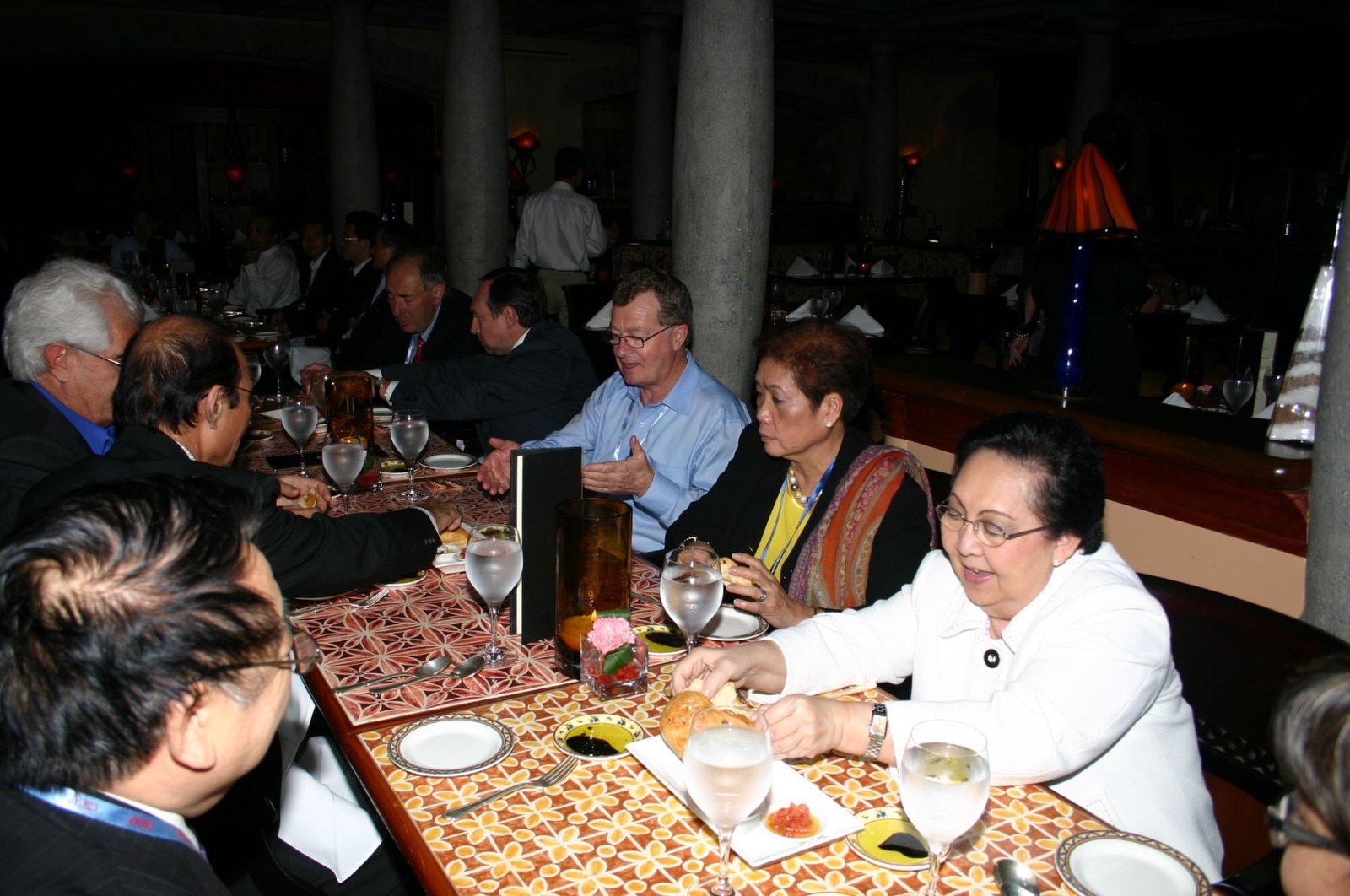
Originally established in response to growing challenges in the West Philippine Sea and the broader South China Sea, the Foundation has expanded its work to address wider issues of Indo-Pacific security, regional cooperation, and maritime governance.
Its early activities focused on public awareness, research, and advocacy concerning developments in the West Philippine Sea. As its network of domestic and international partners grew, the Foundation expanded into Track 1.5 diplomacy, bringing together government officials and independent experts to examine regional security challenges.
In 2024, the Foundation established The Manila Dialogue on the South China Sea, an annual international conference convening senior policymakers, diplomats, defense and coast guard officials, academics, and strategic affairs specialists. The Dialogue has since developed into a major regional forum for examining South China Sea disputes, maritime cooperation, and the future of the rules-based order.
The Foundation has also undertaken other initiatives, including the ASEAN Maritime Security Dialogue, policy research, public opinion surveys, and educational programs, in cooperation with Philippine government institutions and international partners.
Its assumption of the Secretariat and institutional Co-Chair responsibilities of CSCAP Philippines marks a further stage in its development as a policy research and regional convening organization.